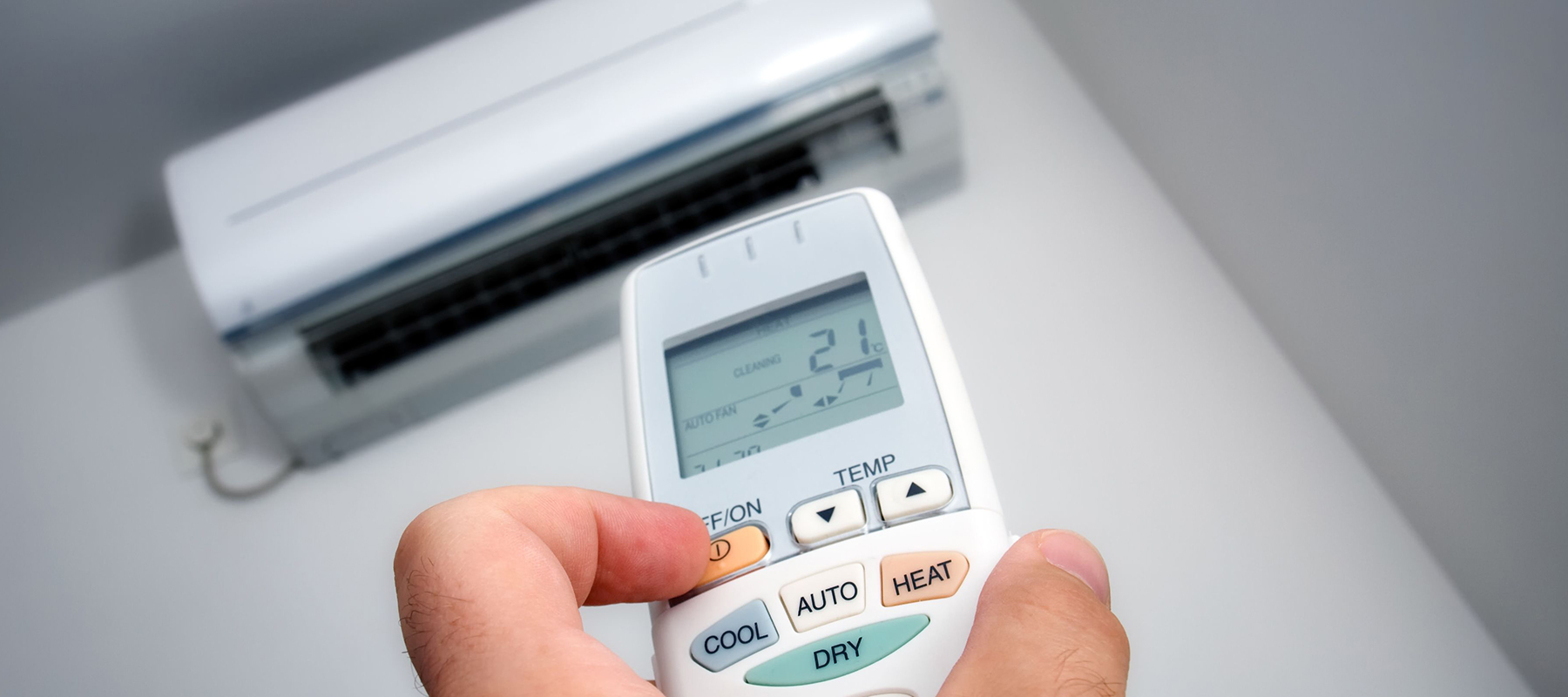
At this time during the winter, we are all tempted to nudge the temperature up on our controllers to keep the building occupants happy and productive.
One of the greatest risks associated with this rise in temperature lies within the humble hot and cold domestic water system in your building. Legionella bacteria could be finding a home in your water system, without you even knowing.
Legionella bacteria likes environments where the temperature is between 20 to 45 degrees celsius; and if water is allowed to sit at these temperatures the bacterium can multiply into large enough numbers to cause Legionnaires Disease.
If you have conducted your legionella risk assessment then you will have identified that the water coming out of your cold water taps is less than 20 degrees celsius to ensure that the bacteria cannot develop. Likewise, you are monitoring to confirm that the hot water is hot enough, to ensure it’s safe.
However, one thing to that can be overlooked is the potential for heat transfer between hot and cold water pipes.
We mentioned above that legionella bacteria needs two conditions to thrive:
- The right temperature ‘breeding zone
- Time to sit at this temperature
You may well be confident that your building is regularly occupied and the water in your system is being used by your occupants everyday and you have checked the temperatures from the outlets to confirm they are safe. But what happens if you shut the building for a number days? i.e. over the Christmas break, where all your occupants might be away from the office. It’s probably the only time of the year when this happens. Even during the busy Summer months, holiday periods are staggered to allow work to continue. This is referred to as a 'dead-zone'.
A ‘dead-zone’ means that water can remain still and undisturbed within your water system – now your building has standing water, where the bacterium could grow. The only thing you are missing is suitable water temperature for the Legionella to develop.
This is where the dangers from heat transfer come into play. It only takes a small change in the heating controls to save money during the holiday period, coupled with a hot water pipe being close enough to a cold water pipe to transfer the heat energy between them; and now your cold water pipes contain standing water at the right temperature to encourage a breeding zone.
So how do you defend against this?
There are several options to consider but at the very least you should consider flushing/running the outlets before everyone returns to work. In addition you can also:
- Check temperatures at the outlets and noting any areas where the temperature differential is close
- Examine your water system pipe layout and ensure that your hot water pipes are lagged to prevent heat transfer, where they pass close to the cold water pipes
- Continuous dosing systems allow you to keep water systems at optimal health, releasing controlled levels of chemicals to treat the water, in response to changing conditions. Keeping scale build up to a minimum and treating the water system accordingly means you keep the risks within the system to a minimum